Packing Your Home: Best Practices for Every Room
- Daniel R

- Sep 19
- 4 min read
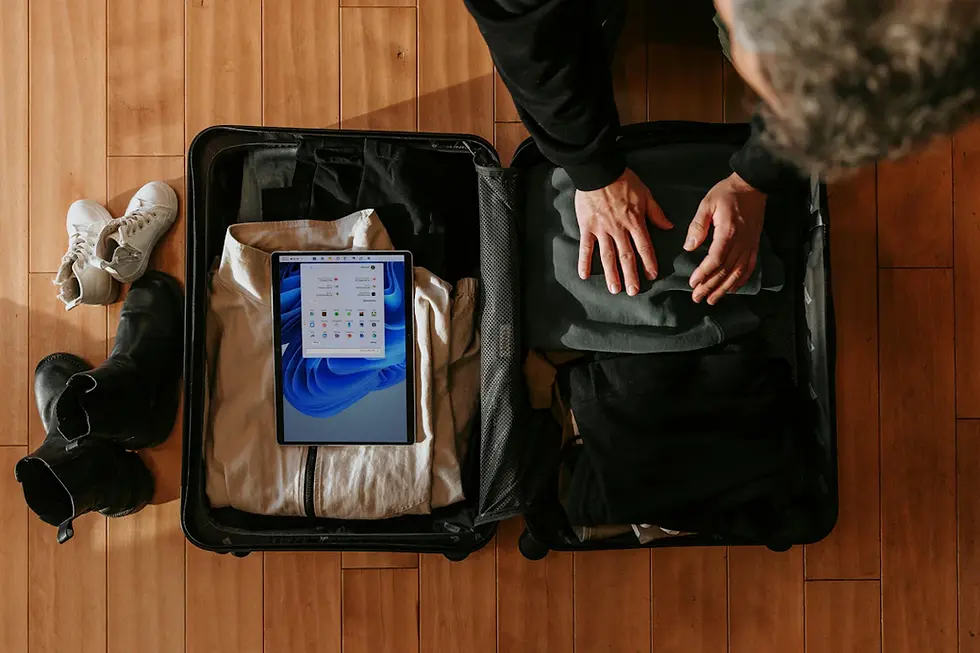
Moving home is one of the most exciting yet daunting experiences many of us face. The anticipation of a new beginning often comes hand in hand with overwhelming feelings of stress, especially when it comes to packing your home efficiently. In this comprehensive guide, we'll discuss the best practices for packing every room, ensuring a smooth transition to your new abode. By following these expert moving tips, you’ll be better prepared for your next big move.
Getting Started: Planning Your Move
Before you embark on the packing journey, it's essential to plan your move. This stage is crucial, not just for reducing stress but also for creating a systematic approach that will save you time and effort throughout the process.
Create a Packing Schedule
Start by mapping out a schedule to pack your home room by room. This tangible plan provides a structured path forward. Divide your packing into manageable tasks; for instance, dedicate specific days to different areas, such as the living room, kitchen, or bedroom. This way, you won’t feel overwhelmed as the move date approaches.
Gather Supplies
Before diving into the packing process, ensure you have all the necessary packing materials on hand. Here’s a list to get you started:
Sturdy moving boxes in various sizes
Bubble wrap or packing paper for fragile items
Tape and tape dispensers
Markers for labelling
Stretch wrap and furniture pads
Room-by-Room Packing Guide
Now that you have a plan and supplies, let’s delve into the best practices for packing each room in your home.
Living Room
The living room is often the heart of any home, containing various items from decorative objects to bulky furniture. When it comes to packing:
Start with smaller items: Begin packing books, DVDs, and small electronics. Ensure that you wrap fragile items in bubble wrap or packing paper to protect them during transport.
Disassemble furniture: If possible, disassemble larger pieces of furniture like tables and shelves to save space. Keep screws and small parts in labelled bags.
Take care of electronics: Use the original boxes if you have them. For extra protection, add additional padding around these items.
Kitchen
Your kitchen is likely filled with breakables and items that require careful packing. The following moving tips can ease this task:
Sort and declutter: Before packing, decide what you need to keep and what can be donated or discarded. Unused appliances can be left behind.
Pack systematically: Start with items you use less frequently, like special dishes or cookware. Leave the daily essentials for last.
Be mindful of glassware: Use plenty of padding and wrap glasses and plates individually. Ensure you label boxes as "fragile."
Bedrooms
Your bedrooms contain various personal items, from clothes to sentimental objects. Here’s how to tackle this space:
Clothing: Consider using vacuum-sealed bags for clothes to save space. Alternatively, use suitcases to pack clothing items you won't need until after the move.
Utilities and essentials: Separate your bedding and personal items so you have what you need immediately in your new home.
Equip yourself: Consider packing essentials in a separate box for each room, making for a smoother transition.
Bathrooms
The bathroom may seem straightforward, but it’s often overlooked in the packing process. Here are some strategies:
Consolidate items: Empty your bathroom cabinets, disposing of any expired products or items you no longer use.
Pack toiletries wisely: Pack toiletries in a separate zippered bag, securing lids tightly to prevent spills. Consider wrapping bottles in packing paper.
Don't forget the essentials: Make sure to set aside essential items like medications or hygiene products for easy access post-move.
Office or Study
If you have a workspace in your home, packing it correctly is vital for making sure no valuable documents or equipment are lost:
Organise documents: Sort papers and important documents into files or labelled boxes. Make copies of crucial documents if you're concerned about losing them.
Disconnect electronics: Take photos of any technical setups to help you replicate them at your new place easily.
Secure your equipment: Use bubble wrap for monitors and keyboards, and ensure all cords are properly labelled and secured.
Final Packing Tips
As moving day approaches, keep these additional moving tips in mind to streamline the process:
Label Everything: Clearly label boxes with their contents and the room they belong to. A colour-coded system can also help moving companies sort boxes quickly.
Essentials Box: Prepare a box for the essentials you'll need on moving day, including snacks, toiletries, and important documents.
Stay Organised: Keeping an inventory list will help you ensure that nothing is left behind and everything arrives at your new home safely.
Your Move, Your Way
Packing your home is undoubtedly a challenging task, but with a structured plan and effective practices, you can streamline the process significantly. By taking the time to organise each room and following these expert moving tips, you pave the way for a smoother moving day experience.
Remember, the key to a successful move lies not only in packing efficiently but also in staying relaxed and keeping a positive mindset. As you organise your possessions and prepare for the journey ahead, look forward to the exciting opportunities your new home will bring. Keep up with the latest moving news, and don't hesitate to reach out to reliable removals services if you require assistance along the way. Happy packing!
FAQs
What is the first step to take when planning a move?
The first step is to create a packing schedule to pack your home room by room, providing a structured plan to follow.
What packing supplies do I need to gather before starting?
You will need sturdy moving boxes, bubble wrap or packing paper, tape, markers, stretch wrap, and furniture pads.
How should I pack fragile items in the kitchen?
Wrap fragile items, such as glassware and plates, individually in plenty of padding and label boxes as 'fragile'.
What is a good strategy for packing clothing in the bedroom?
Consider using vacuum-sealed bags or suitcases for clothes you won't need until after the move to save space.
What should I remember to include in my essentials box on moving day?
Include snacks, toiletries, and important documents in your essentials box to have easy access to them on moving day.


Comments